Your Herpes Status Is Not Your Dating Status
A Herpes Diagnosis can bring unexpected emotions, uncertainty, and questions about your romantic future. Many people worry about rejection, intimacy, and whether they can still experience meaningful relationships. However, your herpes status is not your dating status. Having HSV does not define your personality, attractiveness, self-worth, or ability to find love.
Dating after a herpes diagnosis may involve additional conversations and health considerations, but it does not mean your romantic life has to stop. With accurate information, confidence, and honest communication, you can build relationships based on trust, respect, and emotional connection.
The important thing to remember is that a medical condition is only one part of your life. It does not determine your future or the happiness you deserve.
Understanding Why Herpes Does Not Define Your Dating Life
Herpes simplex virus (HSV) is a common viral infection that can affect the oral or genital areas. HSV-1 and HSV-2 are the two main types. Some people experience noticeable symptoms, while others have mild symptoms or none at all.
Unfortunately, misinformation and social stigma can make a diagnosis emotionally challenging. Some individuals begin questioning their attractiveness or believing that their dating opportunities have disappeared.
These assumptions are not facts.
Your Diagnosis Does Not Define Your Identity
You are more than a medical condition. Your personality, ambitions, interests, kindness, and life experiences make you who you are. Having herpes does not take away these qualities.
A healthy relationship depends on emotional understanding, honesty, mutual respect, and shared values. HSV does not prevent you from developing meaningful connections or enjoying romantic experiences.
You Can Still Experience Love and Commitment
People living with herpes date, fall in love, get married, and maintain long-term relationships. Although HSV requires awareness and responsible health decisions, it does not eliminate the possibility of a fulfilling romantic future.
Understanding this can help replace fear with confidence.
How to Build Dating Confidence After a Herpes Diagnosis
A diagnosis can affect self-esteem, particularly when someone feels worried about rejection. Rebuilding confidence takes time, but changing how you view yourself can make dating more comfortable.
Focus on Your Personal Strengths
Instead of allowing HSV to become the center of your identity, recognize the qualities you bring to a relationship. Your humor, emotional maturity, kindness, and personal goals matter.
Herpes dating confidence begins with understanding that you deserve respect and affection just like anyone else.
Learn Accurate Information About HSV
Understanding transmission, symptoms, treatment, and prevention can reduce unnecessary anxiety. Antiviral medications can help manage outbreaks and reduce transmission risk, although they cannot completely eliminate the possibility of spreading HSV.
Reliable information from healthcare professionals and organizations such as the CDC can help you make informed decisions.
Give Yourself Time
You do not need to rush into dating after receiving a diagnosis. Some people feel comfortable meeting new people quickly, while others need time to process their emotions.
Take things at your own pace and focus on building a positive relationship with yourself.
Dating With Herpes: Why Honest Communication Matters
Honest communication is an important part of every healthy relationship. When Living With HSV, discussing your status before sexual contact that could expose your partner allows both individuals to make informed decisions.
Choose the Right Time to Disclose
You do not have to discuss your medical history during the first conversation. However, it is important to disclose your status before sexual activity that could involve transmission.
Choose a private and comfortable moment when both people have time to talk openly.
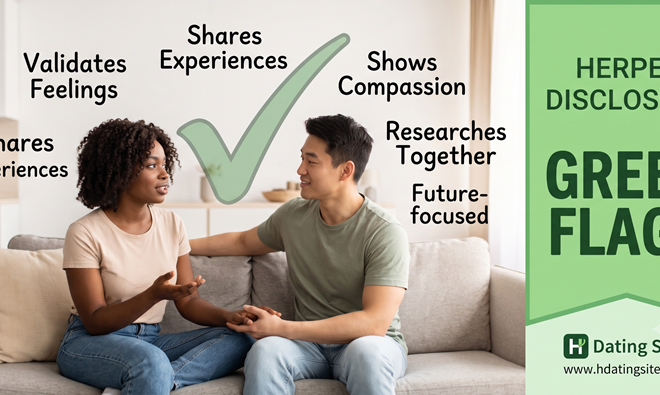
Explain Your Status Without Apologizing
You do not need to present your diagnosis as something shameful. A simple explanation can make the conversation easier.
For example, you could say:
“I want to share something important about my health because honesty matters to me. I have herpes, and I’m comfortable discussing treatment, prevention, and any questions you may have.”
This approach encourages trust and shows that you take your health and your partner’s well-being seriously.
Respect Your Partner’s Feelings
Everyone responds differently to health-related conversations. Some people may have questions, while others might need time to understand HSV.
Give your partner space to process the information. Healthy communication should involve understanding, patience, and respect from both individuals.
Building Healthy Relationships Beyond HSV
A successful relationship requires more than shared health circumstances. Emotional connection, trust, communication, and mutual respect are essential for long-term happiness.
Choose Someone Who Respects You
A caring partner should appreciate your personality and understand that your diagnosis does not represent your entire identity.
You should never feel pressured to accept disrespectful behavior because you have herpes. Your health status does not reduce your relationship standards or personal value.
Create Emotional and Physical Intimacy
Intimacy involves more than physical attraction. Meaningful conversations, affection, shared experiences, and emotional support help strengthen relationships.
People living with HSV can enjoy fulfilling intimate relationships by understanding transmission risks and discussing appropriate precautions with their partners.
Understanding HSV Transmission and Relationship Safety
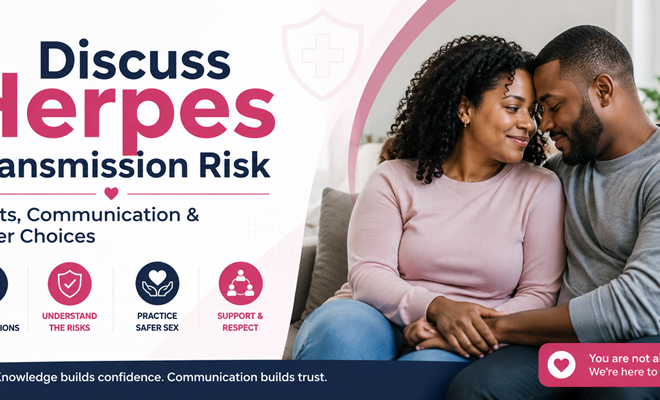
Accurate medical information helps partners make responsible decisions. Herpes can spread through direct skin-to-skin contact, including when visible symptoms are absent.
Discuss Treatment and Prevention
Antiviral medications, including daily suppressive therapy, may reduce outbreaks and lower transmission risk. Condoms and other barrier methods can also reduce risk, although they cannot provide complete protection.
Avoid sexual contact during outbreaks or warning symptoms such as tingling, itching, or burning.
Make Informed Decisions Together
Partners should discuss their comfort levels, protection methods, and healthcare questions. A healthcare professional can provide guidance based on the type of HSV, symptoms, and individual circumstances.
Responsible communication helps both people feel informed and respected.
How Herpes Dating Communities Can Support Connections
For some individuals, connecting with people who understand HSV-related experiences can make dating feel less intimidating.
Herpes dating communities offer opportunities to discuss relationship challenges, exchange experiences, and connect with people who understand the emotional side of living with HSV.
Connect With People Who Understand
Talking with others who have similar experiences can reduce feelings of isolation. These connections may also provide encouragement and practical advice about relationships and disclosure.
Build Connections at Your Own Pace
Online dating platforms provide opportunities to start conversations, discover common interests, and develop meaningful connections.
However, always protect your personal information, verify profiles where possible, and maintain healthy online dating boundaries.
Remember that sharing an HSV diagnosis does not automatically guarantee compatibility. Personality, honesty, emotional maturity, and mutual respect remain important.
Frequently Asked Questions (FAQs)
1. Does having herpes mean I cannot have a normal dating life?
No. People living with HSV can date, experience romantic relationships, get married, and build families. Understanding transmission risks and communicating openly can support healthy relationships.
2. Should I disclose my herpes status to someone I am dating?
Yes. You should disclose your status before sexual contact that could expose your partner. This allows both individuals to discuss risks and prevention methods.
3. Can someone love me if I have herpes?
Absolutely. HSV does not determine your ability to give or receive love. Healthy relationships are built on honesty, respect, emotional connection, and understanding.
4. Can someone with herpes date an HSV-negative person?
Yes. People with different HSV statuses can have relationships. They should discuss transmission risks, prevention methods, and appropriate medical guidance.
5. Does herpes affect my attractiveness or self-worth?
No. Your diagnosis does not determine your attractiveness, personality, or personal value. You deserve respect and affection regardless of your health status.
6. Can herpes spread without visible symptoms?
Yes. Asymptomatic viral shedding can occur, meaning HSV can spread even when no visible sores are present. Understanding prevention is therefore important.
7. Can medication make dating with herpes easier?
Antiviral medications can help manage outbreaks and reduce transmission risk. A healthcare professional can recommend suitable treatment options.
8. Are herpes dating websites helpful?
They can help people connect with others who understand HSV-related experiences. Choose trustworthy platforms and follow basic online privacy and safety practices.
9. How can I regain confidence after a herpes diagnosis?
Learn accurate medical information, focus on your personal strengths, and give yourself time to adjust. Supportive relationships and positive self-talk can also help rebuild confidence.
Final Thoughts: Your Herpes Status Is Not Your Dating Status
Living With Herpes does not mean giving up on love, romance, or meaningful relationships. Your diagnosis is a health condition, not a definition of your identity or a measure of your worth.
You deserve honesty, affection, emotional security, and someone who appreciates you for who you are. By developing confidence, understanding HSV, communicating openly, and maintaining healthy boundaries, you can approach dating with a positive mindset.
Never allow stigma or fear to decide your romantic future. Your herpes status is not your dating status. Your story is bigger than your diagnosis, and your opportunity for love remains real.